Skip to content
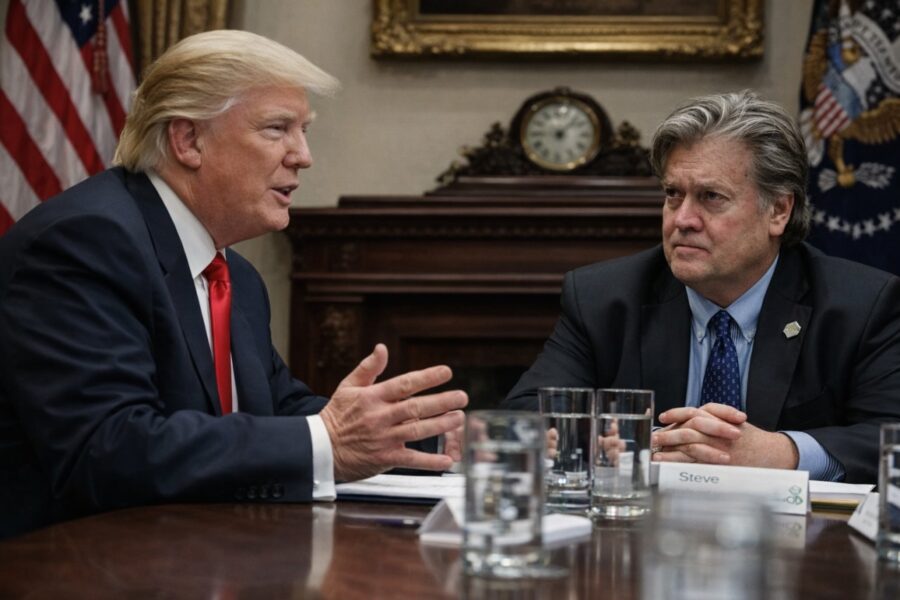

The U.S. Supreme Court has cleared the way for the Trump administration’s Justice Department to seek dismissal of the criminal case against Steve Bannon, the former Trump adviser convicted of contempt of Congress after refusing to comply with a subpoena from the House committee that investigated the January 6, 2021, attack on the Capitol.
In a brief order issued April 6, the justices vacated the lower court ruling that had upheld Bannon’s conviction and sent the case back for further proceedings.
Table of Contents
ToggleWhat The Supreme Court Actually Did
The Court did not issue a broad merits ruling declaring Bannon innocent or rewriting contempt-of-Congress law. Instead, it wiped away the appellate judgment that had stood in place while the Justice Department, now under President Donald Trump, presses to dismiss the indictment “in the interests of justice.”
SCOTUSblog described the move as allowing Bannon to move forward on dismissal of the criminal charges against him, while Reuters reported that the administration itself asked the Court to remove the obstacle created by the earlier appeals court ruling.
That distinction matters. Procedurally, the Supreme Court opened the door. It did not fully resolve the larger constitutional fight that had surrounded the case.
Why Bannon Was Convicted
Bannon was convicted in 2022 on two misdemeanor counts of contempt of Congress. Prosecutors said he refused to provide documents and declined to appear for testimony after being subpoenaed by the House select committee investigating January 6.
The case became one of the highest-profile tests of Congress’s power to compel cooperation in its investigation of the attack and the effort to overturn the 2020 election.
His defense centered in part on executive privilege and legal advice. Bannon argued that then-President Trump had asserted privilege, and that he should not be punished for refusing to comply while that dispute remained unresolved.
But prosecutors had long argued that position was weak because Bannon had left the White House years before January 6 and was a private citizen at the time.
A Legal Win, Mostly Symbolic
In practical terms, the likely dismissal would come after Bannon has already served his punishment. He completed a 4-month federal prison sentence in 2024 after the Supreme Court previously declined to keep him out of prison while his appeal continued.
That means the immediate consequence is more symbolic and political than punitive, though erasing the conviction would still be a major victory for Bannon. AP explicitly described the expected outcome as largely symbolic for that reason.
The Bigger Political Meaning
The ruling lands in a broader political context. The Washingtopn Post noted that the Trump administration has revisited or reversed several legal positions affecting Trump allies.
In Bannon’s case, the shift is especially striking because the federal government moved from defending the conviction to asking that the case be dismissed.
What Happens Next
The case now returns to the lower courts, where judges will deal with the government’s dismissal request. Bannon’s separate New York state fraud matter is unaffected by the Supreme Court’s order.
Related Posts:
- Court Ruling Blasts DOJ Effort to Pressure Hospitals…
- Pam Bondi Clashes With Lawmakers in Fiery Hearing…
- New Michigan SLAPP Style Law In 2026 - What Changes…
- Supreme Court Upholds Jurisdiction Law Allowing Suit…
- How to Lock Your Door Without a Lock - 10 Genius Hacks
- Under Oath and Under Pressure, Hillary Clinton…