Skip to content
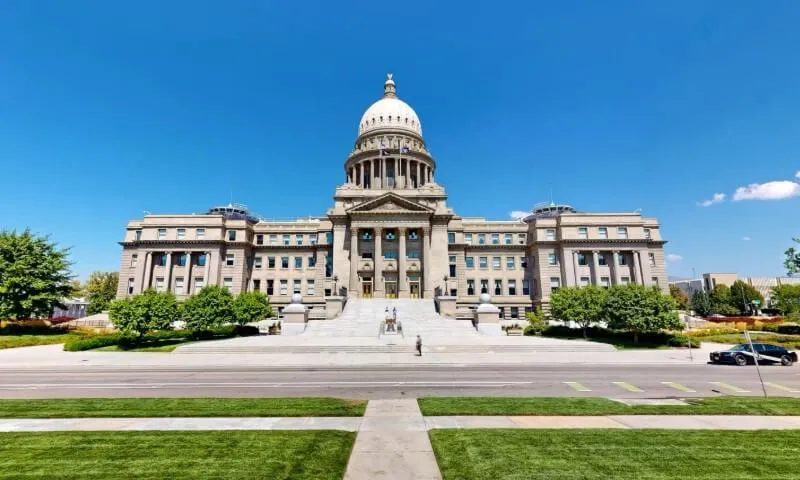

Idaho sits at a pivotal moment in marijuana policy. A live initiative could place medical cannabis on the November 3, 2026, ballot. The path is narrow and technical: 70,725 valid signatures, gathered across a specific geographic spread, submitted by May 1, 2026.
At the same time, lawmakers have placed a constitutional amendment before voters that could permanently shift legalization power away from citizen initiatives.
So when people ask whether Idaho will become the next state to legalize marijuana, the real answer depends on three separate outcomes:
- Does the medical initiative qualify by May 1, 2026?
- If it qualifies, does it pass statewide in November 2026?
- Does House Joint Resolution 4 pass, and how does it reshape future legalization efforts?
Each question carries its own legal and political consequences. Here is the full landscape.
Where Idaho Stands Right Now
View this post on Instagram
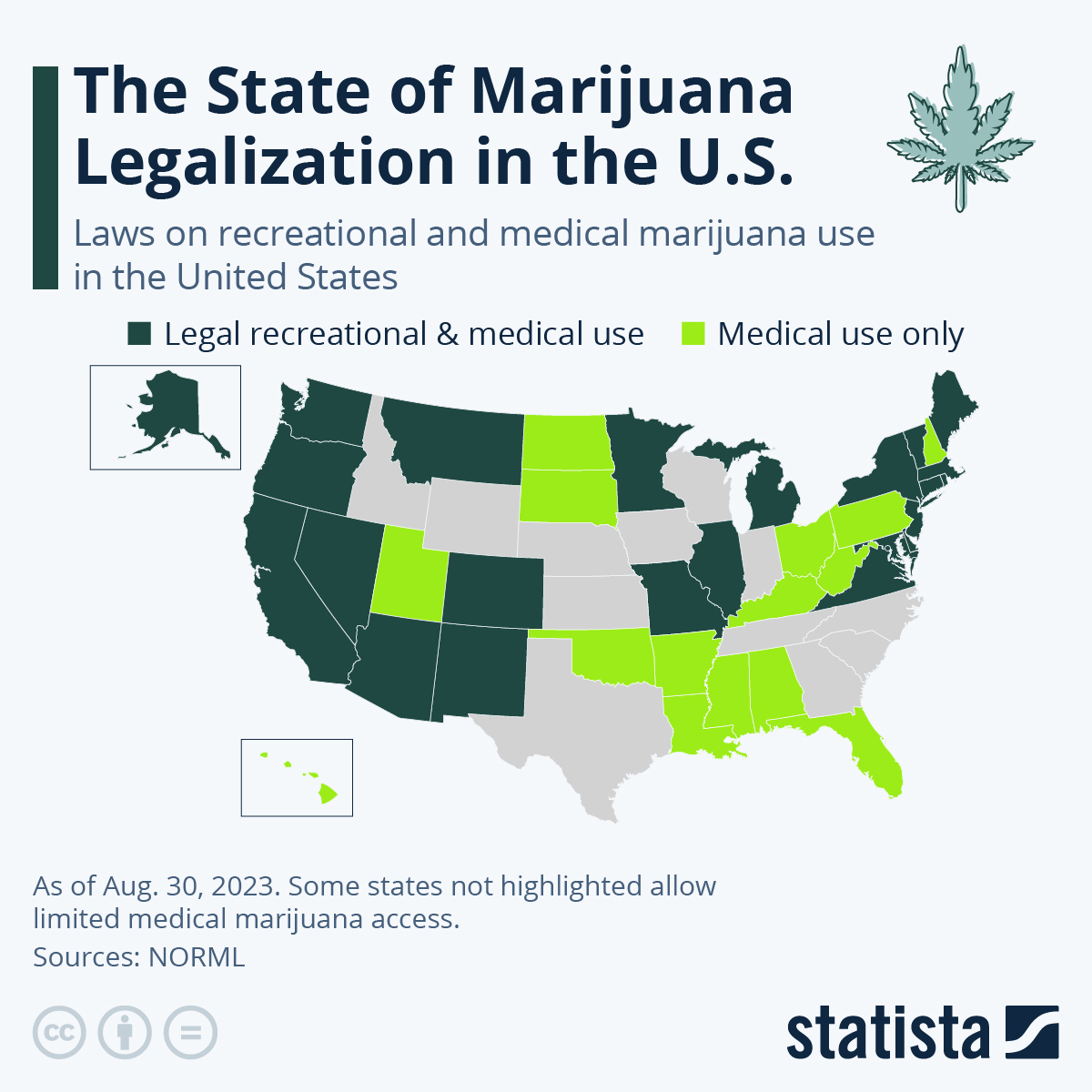
Idaho remains one of the strictest marijuana states in the country. There is:
- No medical marijuana program
- No adult-use legalization
- No decriminalization system
Possession penalties are not symbolic. Under Idaho law, 3 ounces or less is generally treated as a misdemeanor with a mandatory minimum $300 fine for adults. Penalties escalate sharply above that threshold.
That legal posture explains why the current push focuses on medical access rather than retail adult-use legalization. Organizers are framing the effort around qualifying conditions, patient registration, and state oversight.
Even in tightly regulated medical systems, lawmakers must eventually define how cannabis is cultivated and how plant genetics are sourced. In states where legalization has already occurred, regulated seed markets operate within state law frameworks.
Companies such as SeedSupreme function in jurisdictions that permit seed sales, though Idaho would need to determine whether any comparable sourcing model could exist under its own statutory structure.
The Signature Threshold: 70,725 Valid Names By May 1, 2026
According to Ballotpedia, for an initiated state statute in Idaho, proponents must collect:
- 70,725 valid signatures, equal to 6% of registered voters as of the last general election
- At least 6% of registered voters in 18 of Idaho’s 35 legislative districts
- Submission deadline: May 1, 2026
Both the total number and the district distribution must be met.
Why “Valid” Is Doing Heavy Work
Campaigns rarely aim for the bare minimum. Signatures get invalidated for predictable reasons:
- The signer is not registered
- Registration details do not match
- The person signs outside their legislative district sheet
- Incomplete or illegible entries
- Duplicate signatures
Across the country, invalidation rates can be significant. Smart campaigns overshoot by a wide margin to survive verification.
As of early February 2026, the campaign publicly reported more than 45,000 signatures collected. That number signals real momentum. It is not yet state-certified, and the district requirement remains the more fragile hurdle.
What The Idaho Medical Cannabis Act Would Do
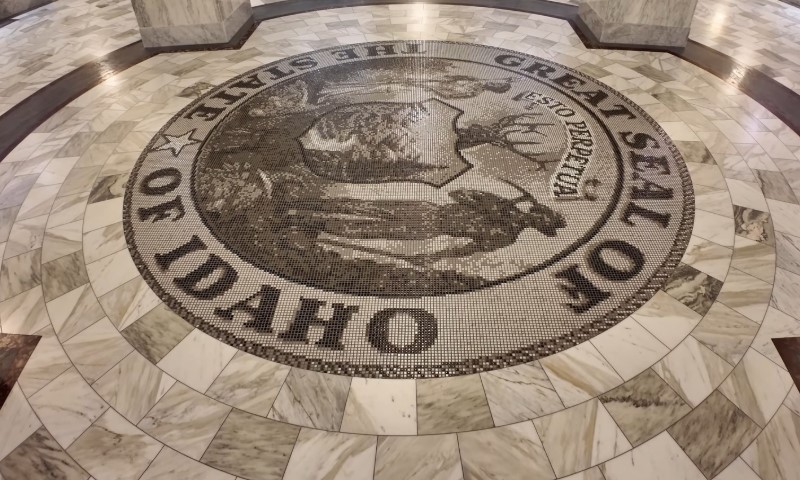
If the initiative qualifies and voters approve it in November 2026, Idaho would adopt a regulated medical marijuana framework.
Public summaries describe a system built around:
- A state-managed patient registry
- Licensed businesses operating under regulatory oversight
- Medical-only access, no recreational retail sales
Qualifying conditions referenced in reporting include serious illnesses such as:
- Cancer
- Epilepsy
- Multiple sclerosis
- Alzheimer’s disease
- PTSD
Campaign messaging has emphasized guardrails:
- No public consumption
- No sharing
- No impaired driving
The framing is deliberate. Organizers want voters to see a tightly controlled medical system, not a step toward adult-use commercialization.
The Timeline Already In Motion
Ballot procedure in Idaho follows a structured path.
Key milestones already completed:
- Petition filed in late August 2025
- Ballot titles issued in October 2025
- Signature gathering underway
- 45,000+ signatures publicly reported by late January or early February 2026
The next major checkpoint is May 1, 2026. After submission, verification begins. Only then does the initiative officially qualify.
The District Distribution Trap Door
Many campaigns across the country clear statewide totals but fail geographic requirements. Idaho’s structure demands 6% of registered voters in at least 18 districts.
That means:
- Rural organizing matters as much as Boise
- Volunteers must travel
- Campaign infrastructure must exist beyond urban centers
Without district compliance, even 100,000 raw signatures would not be enough.
The Wild Card: House Joint Resolution 4
In 2025, lawmakers advanced and passed HJR 4. Voters will decide on it in November 2026.
The amendment would:
- Give only the Idaho Legislature authority to legalize marijuana and other psychoactive substances
- Remove the power of citizens to legalize marijuana through initiative
The background matters. In 2021, Idaho passed SB 1110, which required signature thresholds in all 35 legislative districts.
The Idaho Supreme Court struck it down as unconstitutional. That ruling prompted lawmakers to seek constitutional changes instead of statutory adjustments.
What Happens If Both Pass?
Public reporting includes campaign representatives arguing that the medical initiative would stand even if HJR 4 passes. The legal landscape is not fully settled in public discourse. If both measures pass, litigation or legislative conflict could follow.
What is clear is that HJR 4 aims to block future citizen-initiated marijuana legalization efforts.
Why Idaho Is A Different Fight
Most states that adopted medical marijuana did so through either legislative action or ballot measures backed by long-established reform coalitions.
Idaho’s situation carries several unique features:
- No existing medical program
- Lawmakers actively attempting to limit initiative power
- Strict signature and district distribution rules
Campaigns must fight on two fronts: win enough signatures and win a statewide vote, while also defending the initiative process itself.
What Polling Suggests
 You will find more infographics at Statista
A campaign-commissioned poll publicized in secondary reporting claims:
- 83% support among likely Idaho voters for medical marijuana
- 74% support among Republicans
Previous snapshots cited in journalism suggest support often sits in the high 60% to 70% range.
Polling offers signals, not guarantees. Ballot measures can fail when:
- Late messaging reframes the debate
- Voters conflate medical with recreational legalization
- Opposition campaigns dominate advertising in October
Campaign leaders are leaning heavily into medical-only identity to avoid confusion.
Adult-Use Efforts Exist, But Medical Leads
At least one adult-use initiative has been filed for 2026. Ballotpedia tracks an Idaho Marijuana Legalization Initiative that would legalize use for adults 21 and older.
Qualification remains uncertain. Without an existing in-state cannabis industry, funding and infrastructure are harder to secure.
For now, the 70,725 signature requirement most clearly applies to the medical initiative.
Federal Policy In The Background
Federal law remains separate from state law.
Recent developments include:
- A federal rescheduling process moving marijuana from Schedule I toward Schedule III
- A December 2025 executive order pushing the rulemaking process forward
- Congressional Research Service analysis noting that rescheduling does not equal nationwide legalization
Reuters reporting highlights a broader national environment marked by both expansion and regulatory pushback, including new restrictions on intoxicating hemp products.
For Idaho voters, federal developments shape perception but do not automatically change state prohibition.
What Must Go Right For 2026 Medical Legalization
For medical marijuana to become legal in Idaho in 2026, organizers need more than enthusiasm, they need precise execution across legal, logistical, and political fronts.
1. Signature Math
Organizers must clear:
- 70,725 valid signatures
- 6% threshold in 18 districts
Campaigns typically aim for 1.2x to 1.5x the valid requirement to survive verification.
2. Message Discipline
Medical access must remain clearly distinct from recreational use. Public safety concerns, impaired driving narratives, and youth messaging can influence undecided voters.
3. Managing The HJR 4 Overlay
If HJR 4 passes, citizen-led legalization in the future could end. That raises stakes and reframes the election as both a marijuana vote and a power-of-the-people vote.
The Three Cannabis Tracks On The 2026 Ballot
| Track | What It Is | Gatekeeping Requirement | Current Status |
| Medical Legalization Initiative | Patient registry and licensed medical access | 70,725 valid signatures plus 6% in 18 districts by May 1, 2026 | 45,000+ signatures publicly reported |
| Adult-Use Initiative | Legalization for adults 21+ | Similar signature thresholds | Filed, qualification uncertain |
| HJR 4 Constitutional Amendment | Restricts legalization authority to Legislature | Legislative referral, voter approval Nov 3, 2026 | On track for ballot |
What To Watch Between Now And May 2026
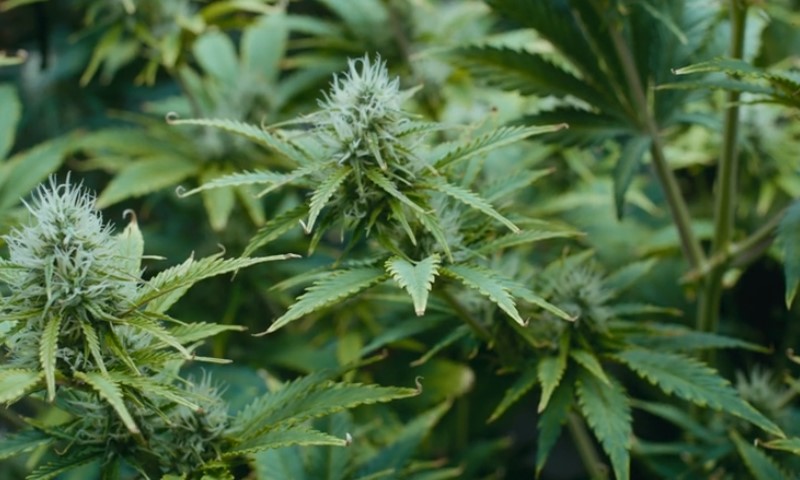
The period leading up to May 1, 2026 will determine whether the medical marijuana initiative even makes it onto Idaho’s November ballot, so every procedural move and campaign milestone matters.
Signature Pace And Geographic Spread
Watch for:
- Updated district-level progress
- Evidence of overshooting signature totals
Procedural Developments
Key checkpoints:
- Timely submission before May 1
- Verification results
- Legal challenges
HJR 4 Campaign Dynamics
Once active campaigning begins, messaging may shift from medical policy to broader constitutional authority questions.
Bottom Line
Idaho is not positioned to become the next adult-use legalization state on current evidence. The clearest path is medical legalization through the Idaho Medical Cannabis Act.
The effort appears more viable than previous attempts because:
- 45,000+ signatures have already been publicly reported
- Polling snapshots show strong support for medical use
- Federal discourse has shifted toward medical legitimacy
The largest risks remain structural: district distribution compliance and the simultaneous presence of HJR 4 on the ballot.
May 1, 2026 is the first gate. November 3, 2026 is the second. Whether Idaho joins the medical marijuana map depends on clearing both.