
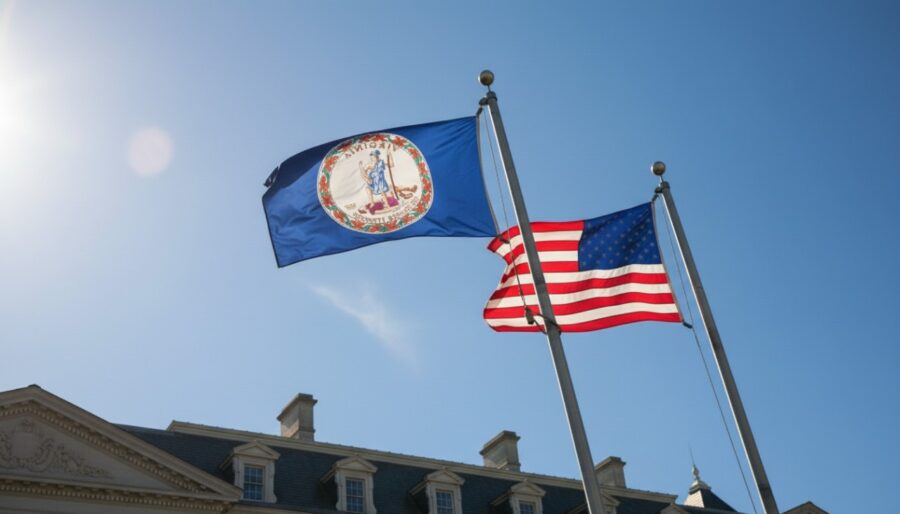

The Virginia Senate has taken a decisive step toward removing one of the state’s most visible legal relics of the pre-marriage-equality era.
According to the reports, on January 21, 2026, the Senate voted 26–13 to advance Senate Joint Resolution 3 (SJR 3), a proposed constitutional amendment that would repeal Virginia’s same-sex marriage ban and replace it with explicit language protecting marriage equality.
The measure has now cleared the required legislative hurdles and will go before voters in November 2026, where Virginians will decide whether to permanently rewrite the state constitution.
What Virginia Is Trying to Change
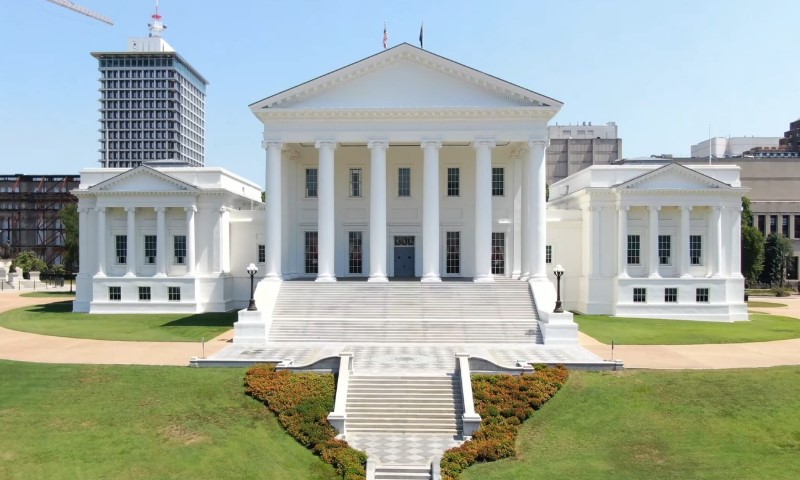
Virginia’s constitution still contains Article I, Section 15-A, which defines marriage as only a union between “one man and one woman,” and blocks recognition of legal statuses designed to approximate marriage.
That language has remained on the books even after becoming unenforceable under federal law.
What the Amendment Would Do
The amendment would remove the old ban and replace it with language preventing the Commonwealth from denying a marriage license to two adult persons based on sex, gender, or race, while requiring lawful marriages to be recognized equally under the law.
That is not a symbolic tweak, it is a direct rewrite of what the state constitution says marriage is, and who gets access to it.
Why It Matters Even Though Same-Sex Marriage Is Legal
Same-sex marriage has been legal nationwide since 2015, but Virginia’s constitution still contains a ban written by voters in 2006, and supporters argue that leaving it there keeps LGBTQ+ families exposed to political and legal uncertainty. GO Magazine reports that advocates view the amendment as a stronger safeguard than ordinary state law, because constitutional guarantees are harder to reverse than legislation.
Why Voters Now Decide
View this post on Instagram
Virginia requires constitutional amendments to pass the legislature in two separate sessions before reaching the ballot. That step is now complete, meaning the final decision has moved out of the General Assembly and into the hands of the electorate.
What Happens Next
Virginia voters will decide the amendment’s fate in November 2026. If approved, Virginia’s constitution will no longer include a same-sex marriage prohibition and will instead contain explicit marriage equality protections.